Colores de Abundancia · Amazon Arts Project
Ida
Castro Rojas
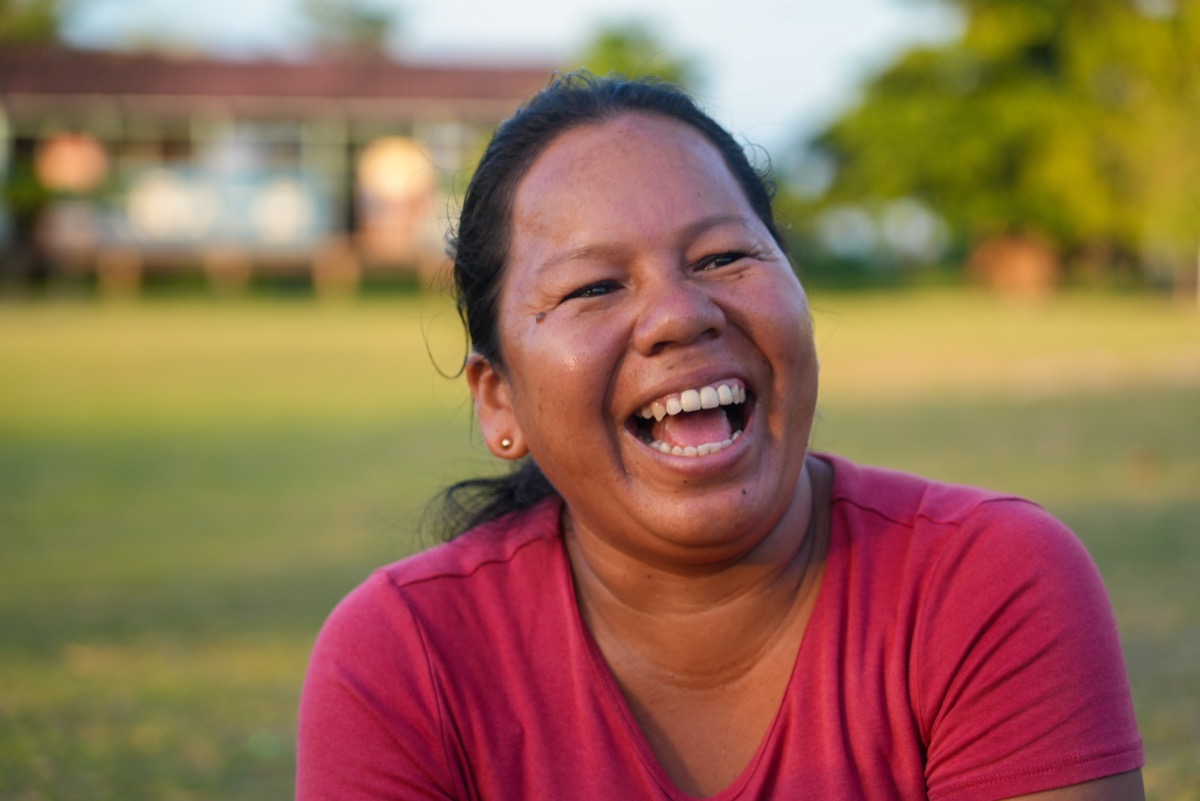
Artisan, teacher, and cultural guardian carrying the living geometric language of the Shipibo-Konibo through thread, cloth, and the kené designs of her ancestors.
"Every kené design is a path of life. Every craft I make tells a story and keeps the culture of my people alive."
— Ida Castro Rojas · Pekonkaisy
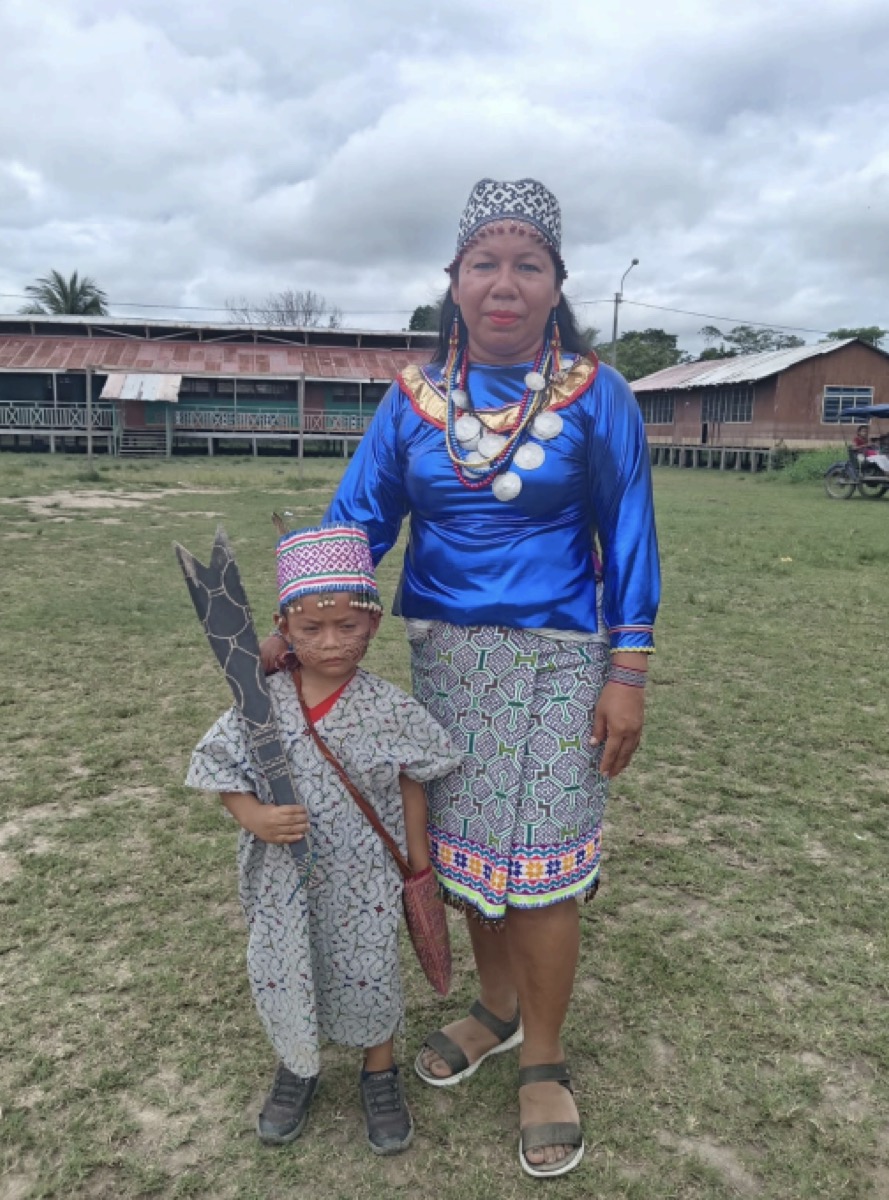
Shipibo Textile Design
Native Shipibo-Konibo Community
Education Teacher
(ONG CODEAB)
Biography
Weaving culture into every thread
Ida Margoth Castro Rojas was born in the native community of Paohyan, in the Loreto region of Peru's Amazon basin. She belongs to the Shipibo-Konibo people — one of the most artistically vibrant indigenous cultures of the Americas, known across Peru and beyond for their intricate kené patterns: geometric designs woven into textiles, painted on skin, and embedded in the visual language of their universe.
Ida grew up within this tradition and chose to root herself in it through both vocation and art. She trained as a bilingual early childhood education teacher, and today works in her home community of Paohyan — teaching in both Spanish and Shipibo, ensuring the next generation grows up with their language and culture intact.
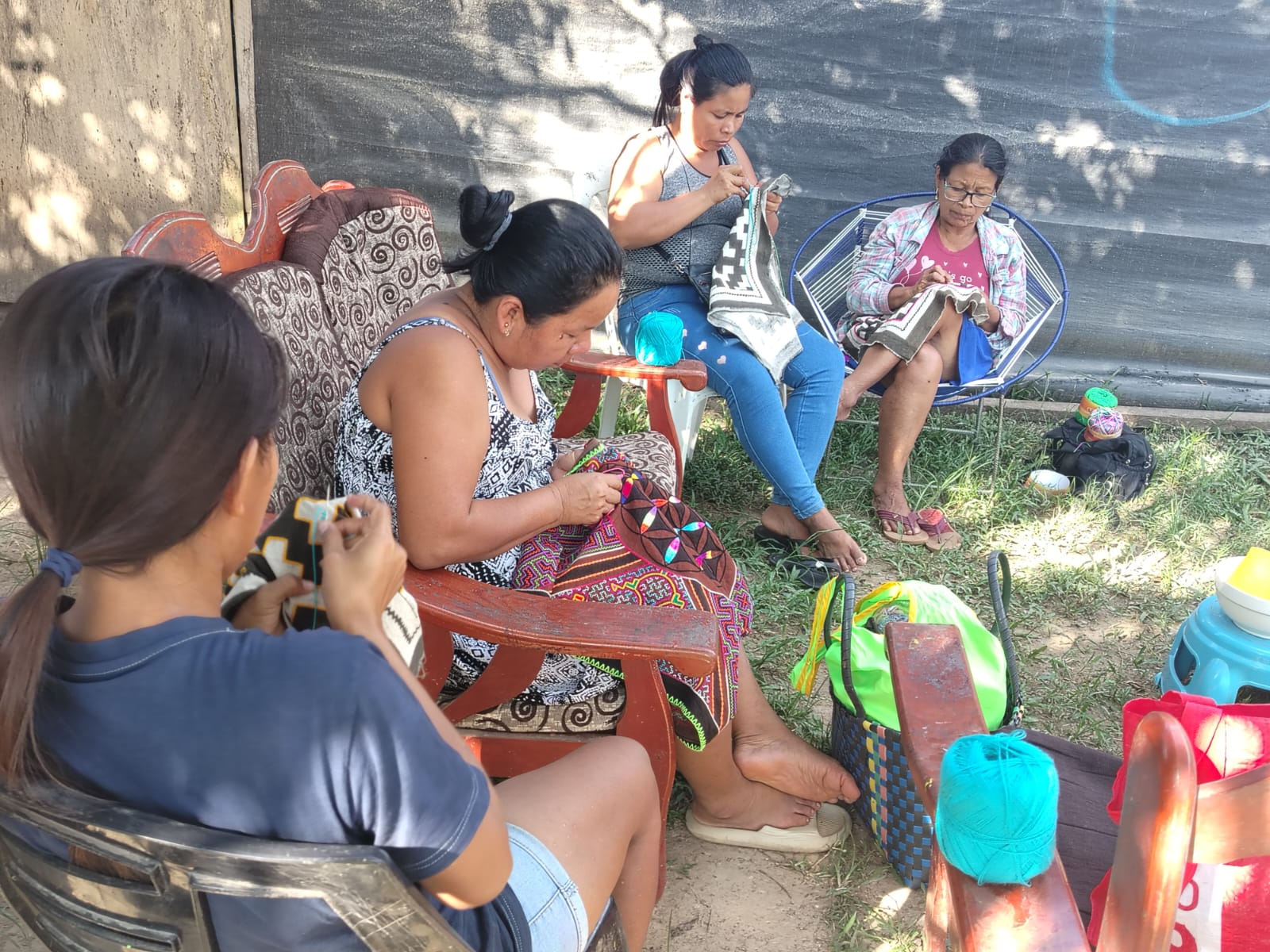
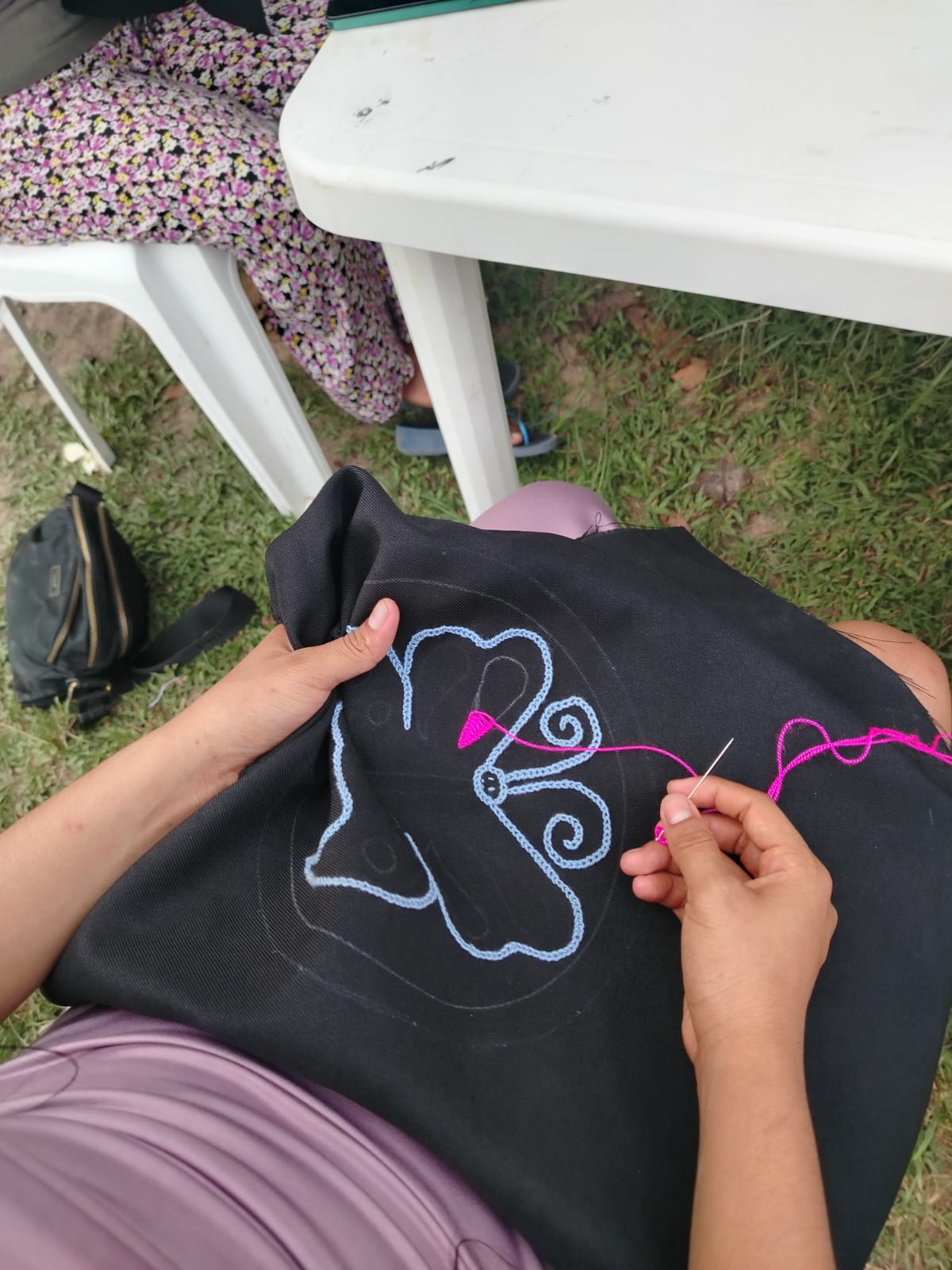
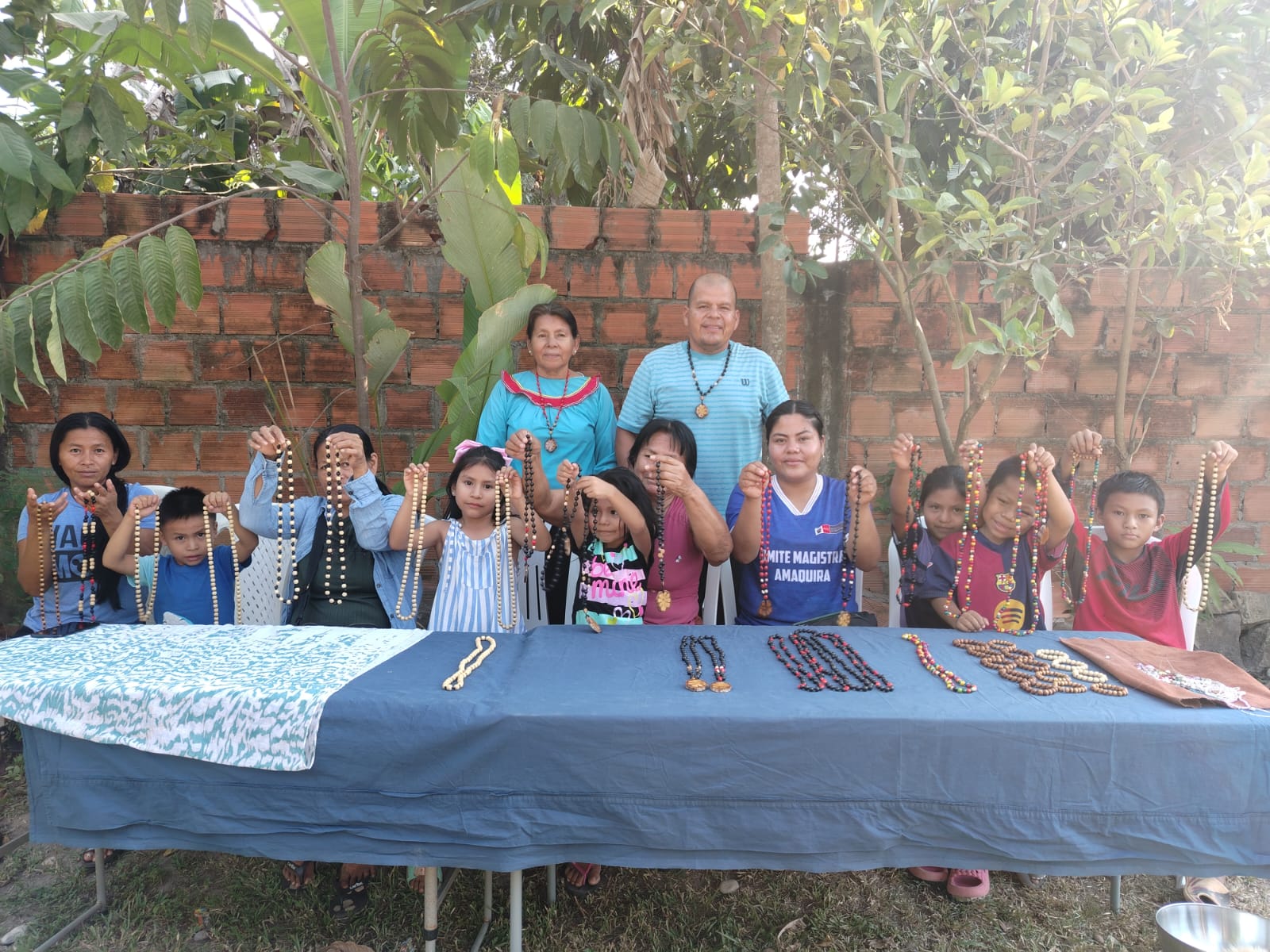
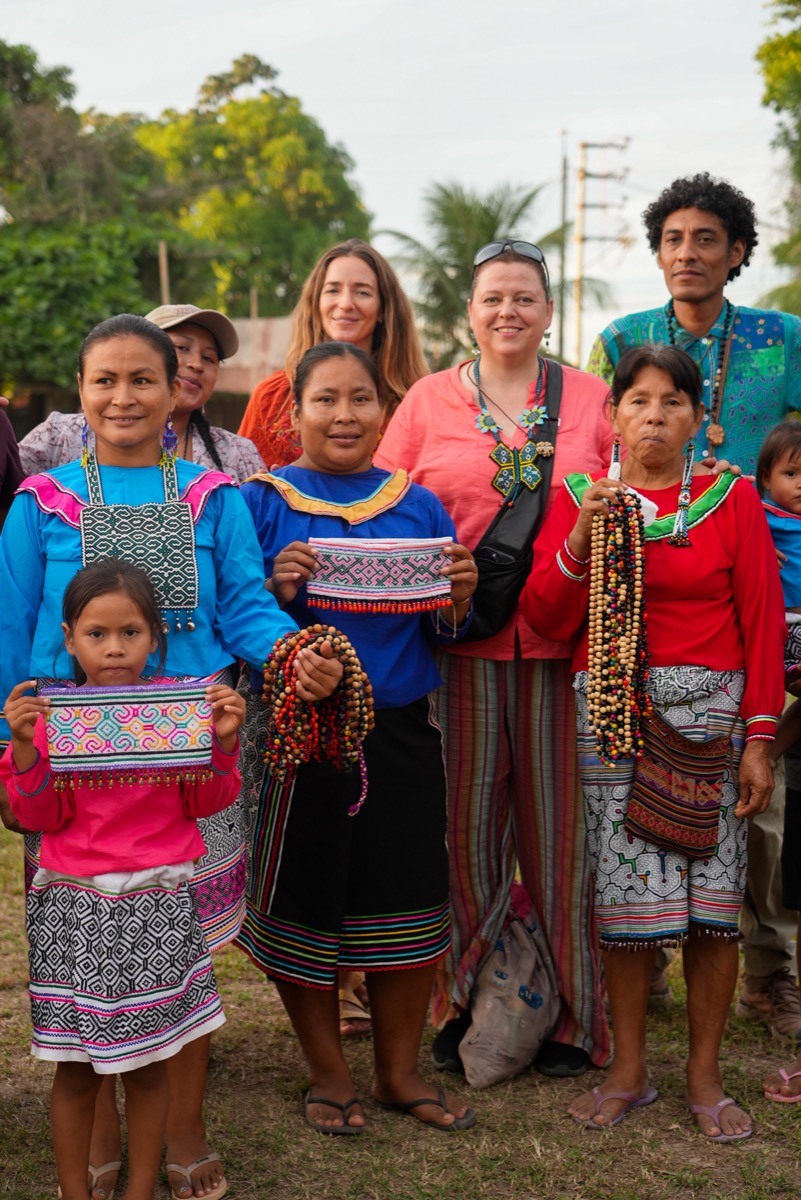
Alongside her teaching, Ida is an active artisan. She embroiders fabrics, canvases, and patches using traditional Shipibo-Konibo kené patterns; creates clothing — shirts, dresses, pants — that carry her culture's visual identity into everyday life; and makes jewelry — necklaces, earrings, bracelets — each piece carrying its own symbolic weight. Her work with Colores de Abundancia deepens this mission further, connecting the Shipibo-Konibo artistic tradition to a wider network of preservation and support.
For Ida, the role of artisan and the role of teacher are inseparable. Both are acts of cultural preservation — ways of saying, in the face of the pressures that threaten indigenous communities everywhere, that the Shipibo-Konibo way of seeing and making the world is still alive. She is proud of who she is, and that pride is woven into everything she makes.
The Work
Art as Identity, Craft as Continuity
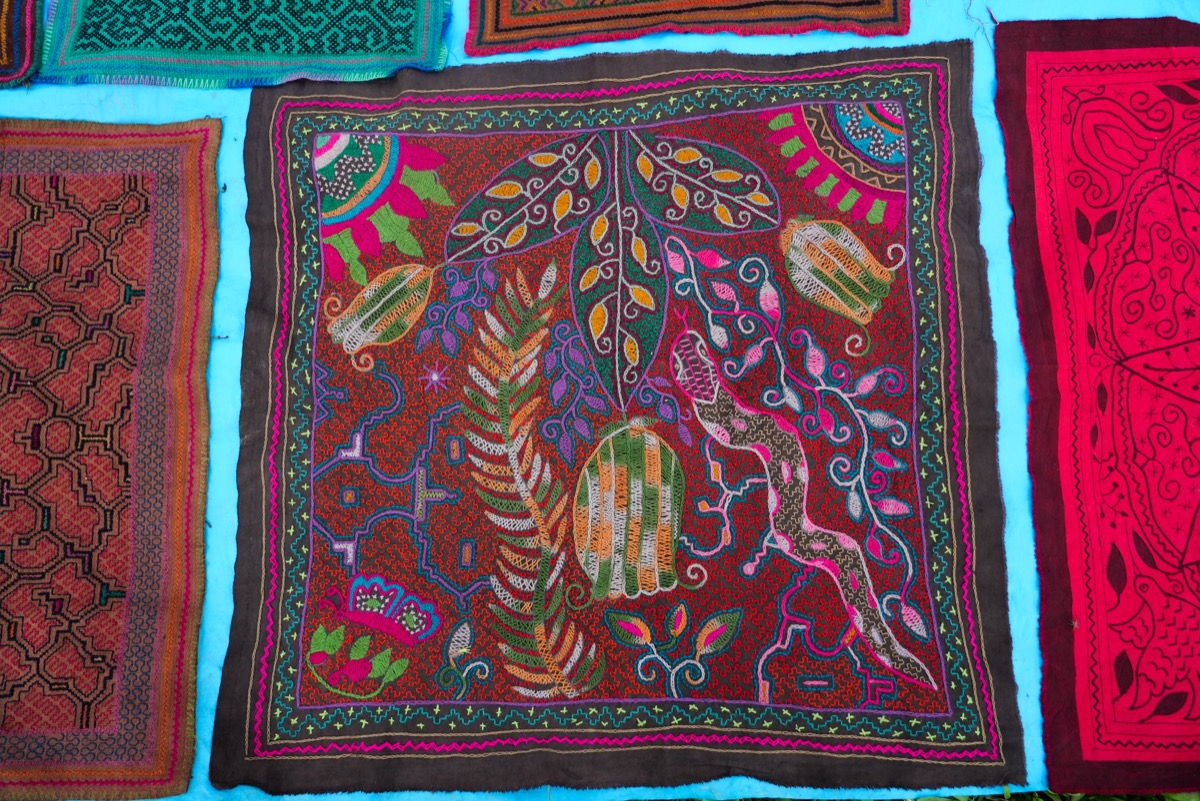
Ida embroiders the kené — the intricate geometric designs that are the visual soul of the Shipibo-Konibo people — onto fabric, canvas, and patches. Each embroidered piece is both a craft object and a cultural document, carrying patterns that have been passed through generations of hands.
Shirts, dresses, and pants bearing traditional kené patterns are among Ida's most personal works. She describes them as a way to carry her culture wherever she goes — uniting the traditional with the present, and making identity visible in the everyday world.
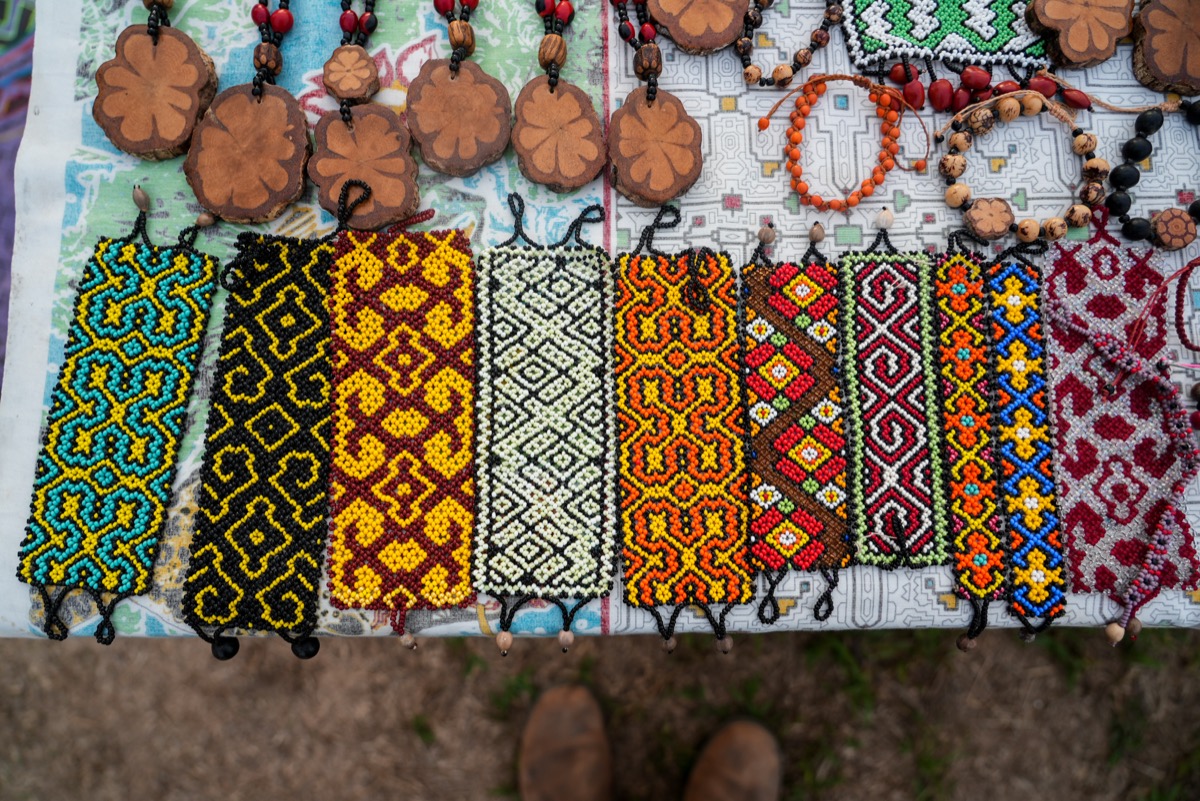
Ida's necklaces, earrings, and bracelets are more than adornment. In Shipibo-Konibo tradition, jewelry symbolizes protection, identity, and connection to community. Each piece Ida makes carries this meaning — a small and wearable affirmation of who she is and where she comes from.
Shipibo-Konibo Tradition
Kené — The Living Pattern
In Shipibo-Konibo culture, the kené is far more than decoration. It is a visual language — geometric, sacred, and alive — that encodes the worldview, the history, and the spiritual experience of the people who make and wear it.
Embroidery — Learning & Growth
Ida describes her embroidered works — whether large or small — as representing her learning, her growth, and the wisdom inherited from her ancestors. The act of embroidering kené patterns is itself a form of remembering: each stitch reinforces a knowledge that might otherwise be lost.
Jewelry — Protection & Identity
The necklaces, earrings, and bracelets Ida creates carry a specific cultural weight: they symbolize protection, identity, and the unbreakable bond between a person and their community. In Shipibo-Konibo tradition, to wear these pieces is to declare belonging — to a place, a people, and a way of seeing the world.
Clothing — Carrying Culture
When Ida embroiders kené patterns onto clothing, she creates a portable expression of Shipibo-Konibo identity. She describes her designed shirts, dresses, and pants as a way of bringing her culture with her wherever she goes — a quiet insistence that traditional and contemporary life are not opposites, but continuations of the same story.
The Design as Path
"Each kené design is a path of life," Ida says. This is not metaphor — in Shipibo-Konibo cosmovision, the patterns encode directions, relationships, and an understanding of how the world is structured. To follow a kené with your eye, or to embroider one with your hands, is to trace a route through a living map of meaning.
Gallery
The craft in practice
Images from the Colores de Abundancia project — coming soon as documentation is completed.
Colores de Abundancia
More artists, more traditions
Ida is one of many artisans working with Colores de Abundancia to preserve the living cultural heritage of Peru's indigenous communities.