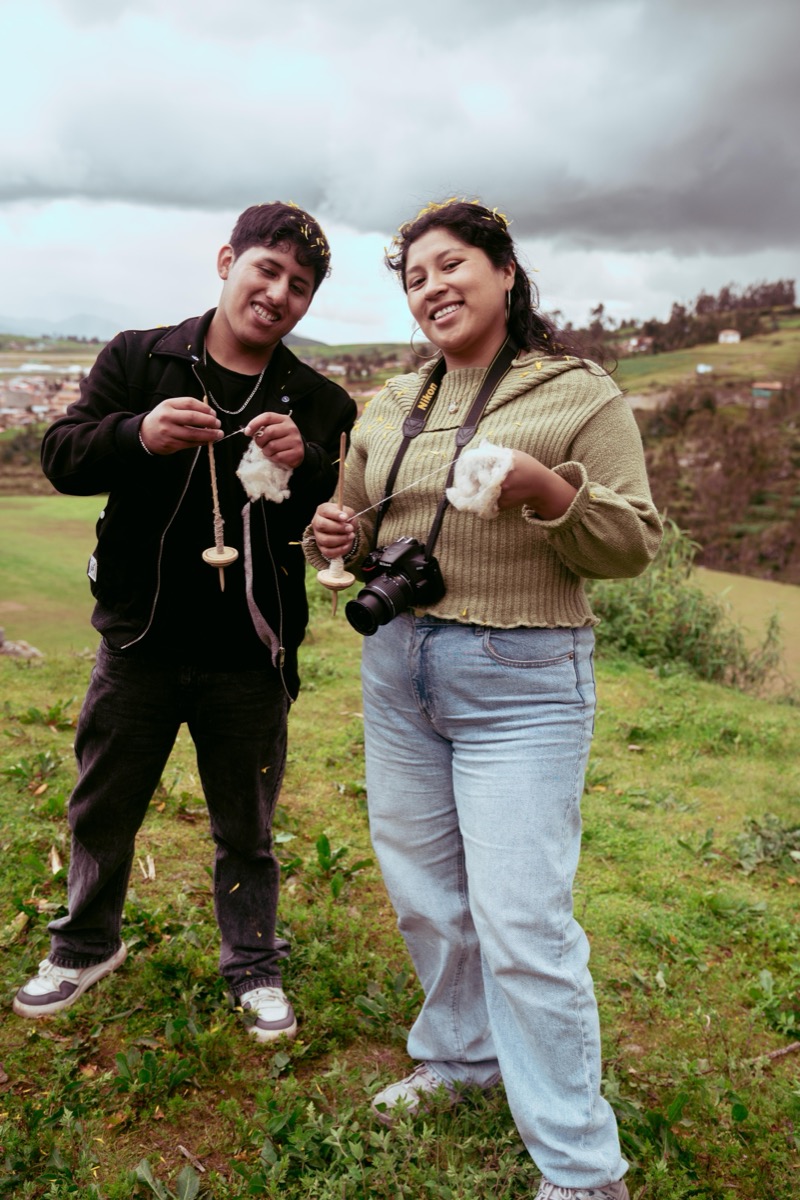
Robert Singona Pumacahua & Katterin Flores — artists, Chinchero
Colores de Abundancia · Chinchero Arts Project
Robert
Singona
Painter, muralist, and student weaver carrying the visual language of the Andes from his family's home in Chinchero into contemporary art — and back again into thread.
"I grew up watching my mother weave stories into thread and my father shape stone the way the Inca did. In 2025 I finally picked up the loom — and understood, for the first time, that I had already been weaving all along."
— Robert Singona Pumacahua
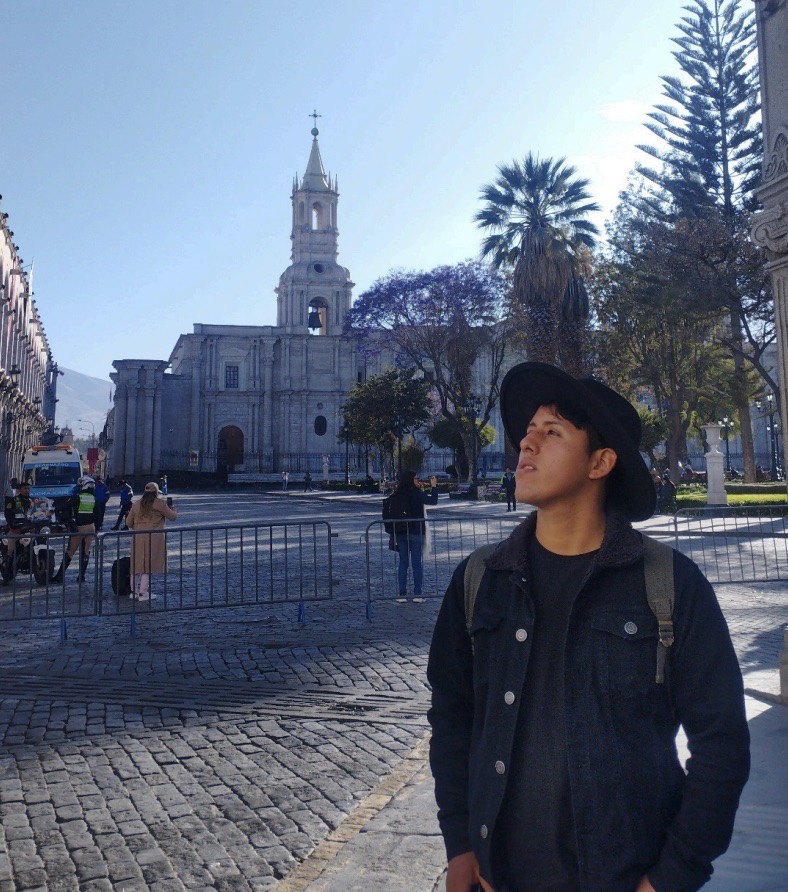
Colores de Abundancia
Diego Quispe Tito, Cusco
Biography
Art in the blood, tradition in the hands
Robert Singona Pumacahua grew up in one of the most artistically saturated households in Chinchero. His mother, Augusta Pumacahua Pumayalli, is the master weaver at the heart of the Colores de Abundancia weaving project. His father, Jacinto Singona Puma, builds traditional Inca-style stone walls — crafting masonry the way it was made centuries ago. Robert grew up with weaving on one side and stone on the other, the Apus watching from the horizon.
That upbringing led him to pursue formal training at the Universidad Nacional de Arte Diego Quispe Tito in Cusco — one of Peru's most respected fine arts universities. There he developed his primary practice as a painter and muralist, concentrating on the themes closest to where he comes from: Andean mysticism, the cultural identity of Chinchero, the sacred geometries and spiritual forces that organize life in the high Andes. His canvases translate this cosmovision into contemporary visual language.
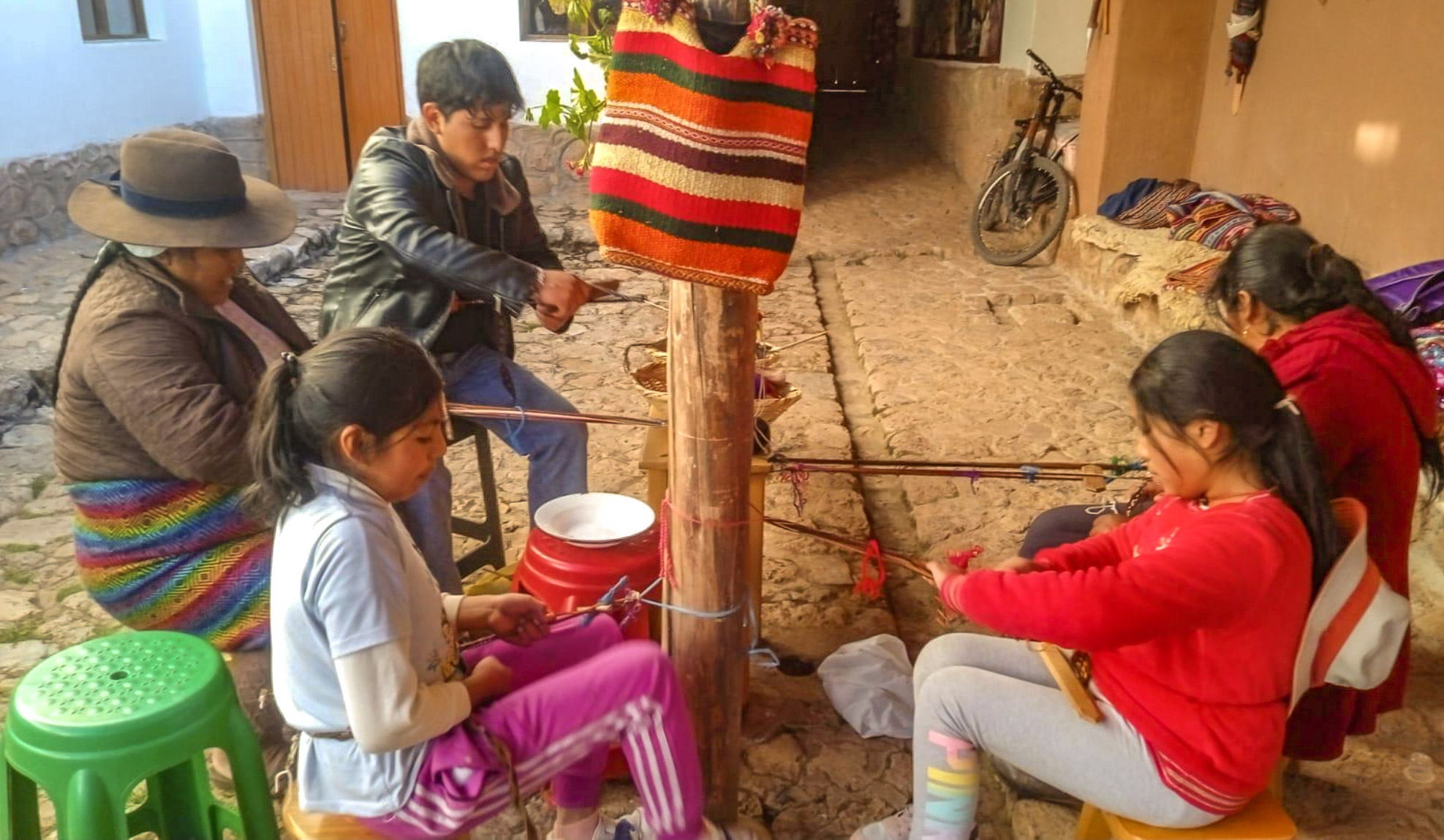
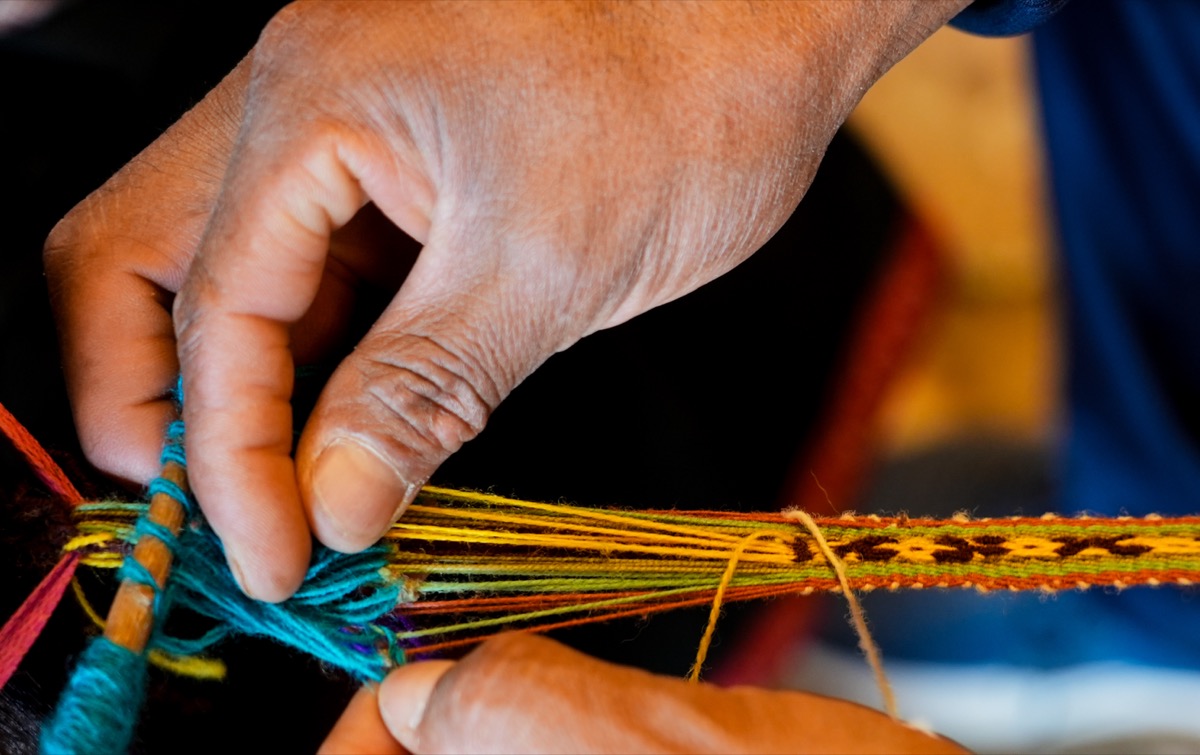
In 2025, through the Chinchero Weaving Project supported by Colores de Abundancia and the Waterman Foundation, Robert took a step back toward his roots. He sat alongside his mother's students — including Luz Marina, Artemio, Mauro, Katterin, and a seven-year-old girl named Leydi — and learned the jakima patterns Augusta had spent decades mastering. By year's end, he had woven five pieces: Qhata, Kuty, Tanka Ch'uru, Puntas, and Mayuquenqo.
That same year, Robert co-curated "Ñaupaqman Puriy" (Walk Forward) — a collective exhibition at the family's Galería de Arte Singona Pumacahua in Chinchero. He organized three rooms of work, handled the photography and graphic design for the catalog, and presented his own individual pictorial exhibition alongside the collective weaving show. His paintings and his mother's jakimas hung in the same building, completing a circle.
Robert plans to carry both disciplines — paint and thread — into national and international exhibitions, seeking to share the richness of Chinchero's living heritage with audiences beyond Peru.
The Work
Two Disciplines, One Vision
Painting & Muralism — Primary Practice
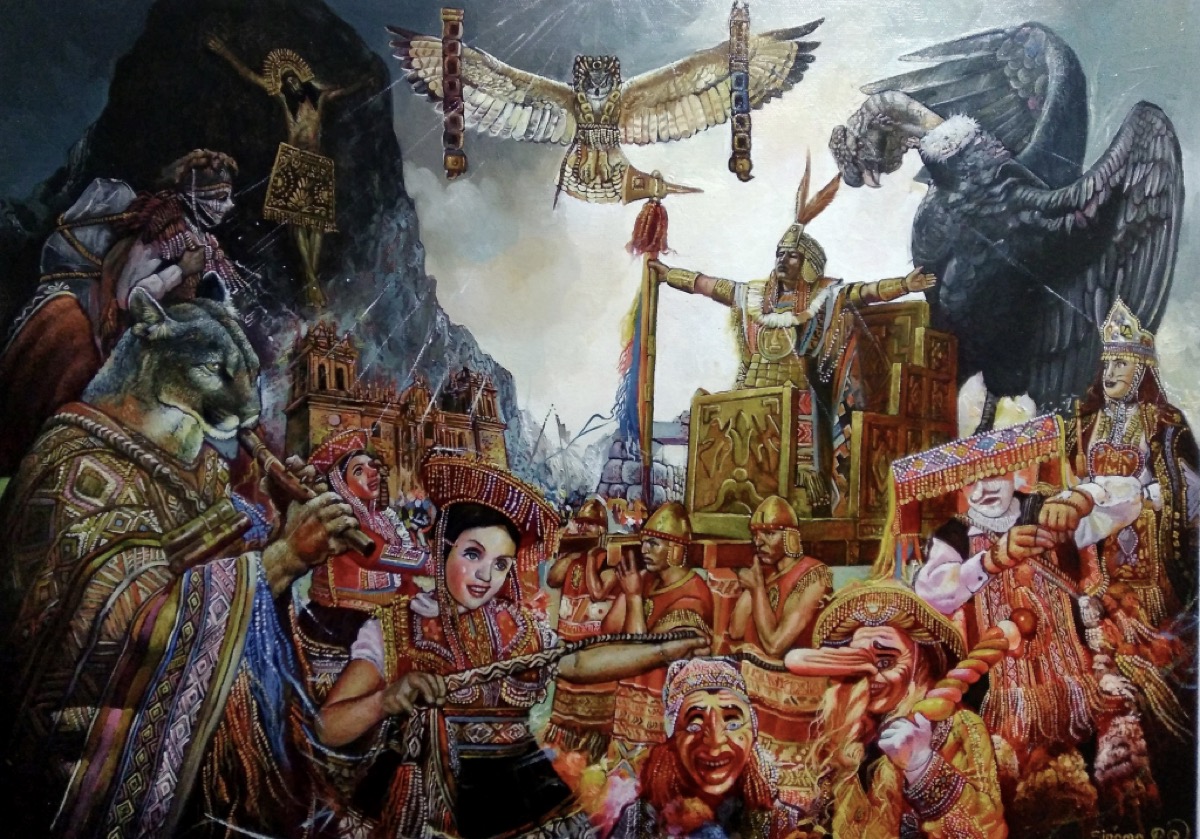
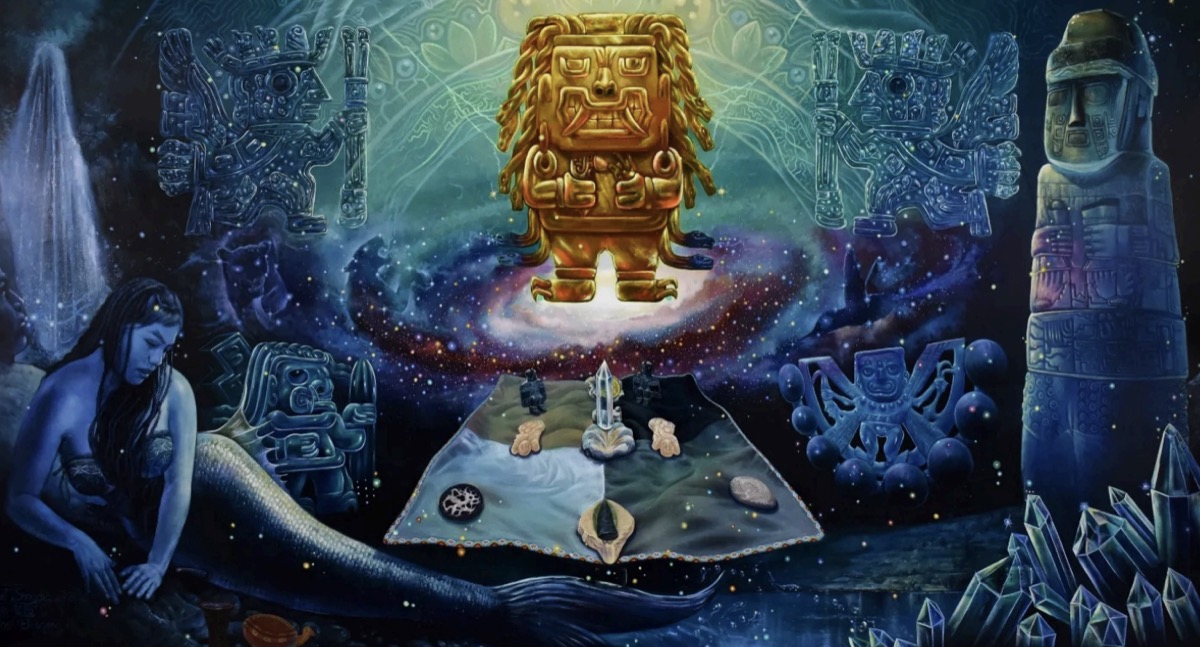
The spiritual landscape of the high Andes is Robert's central subject — the Apus (mountain spirits), Pachamama, the cosmovision that has organized life in Chinchero for millennia. His canvases translate sacred iconography into a contemporary visual language without stripping it of its power.
In Robert's murals, Chinchero is not just a setting — it is a system of meaning. He draws on weaving patterns, agricultural terraces, and the rhythms of community life to build a visual grammar rooted in a place that has preserved Andean tradition without interruption.
Robert co-curated the "Ñaupaqman Puriy" collective exhibition at Galería de Arte Singona Pumacahua, presenting his individual pictorial work alongside the weaving class's jakimas. He also handled photography and graphic design for the catalog — artist, curator, and documentarian in one.
Traditional Weaving — Apprenticeship, 2025
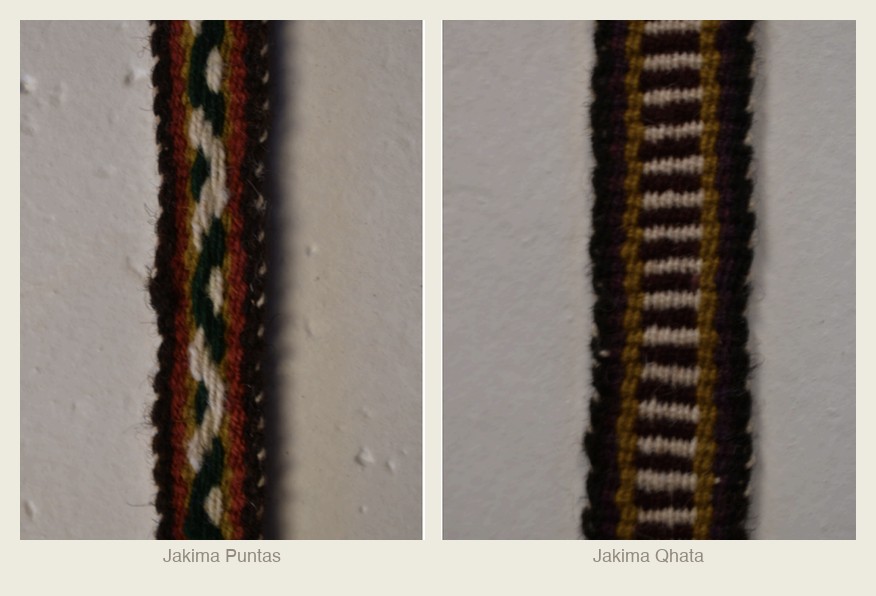
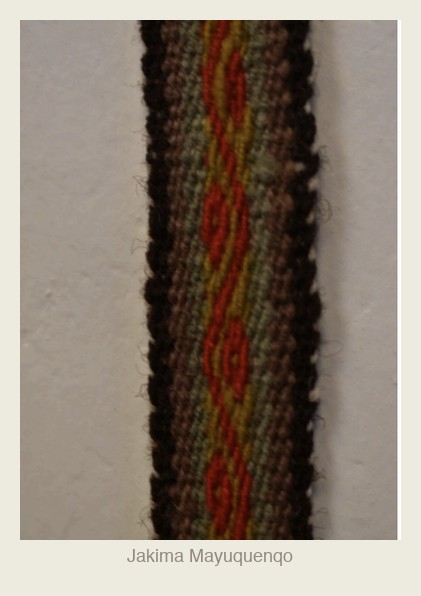
Two of the foundational jakima designs Robert learned in his first year of weaving study. The Qhata and Puntas patterns build core dexterity and an instinct for color balance — skills Robert found unexpectedly parallel to compositional thinking in painting.
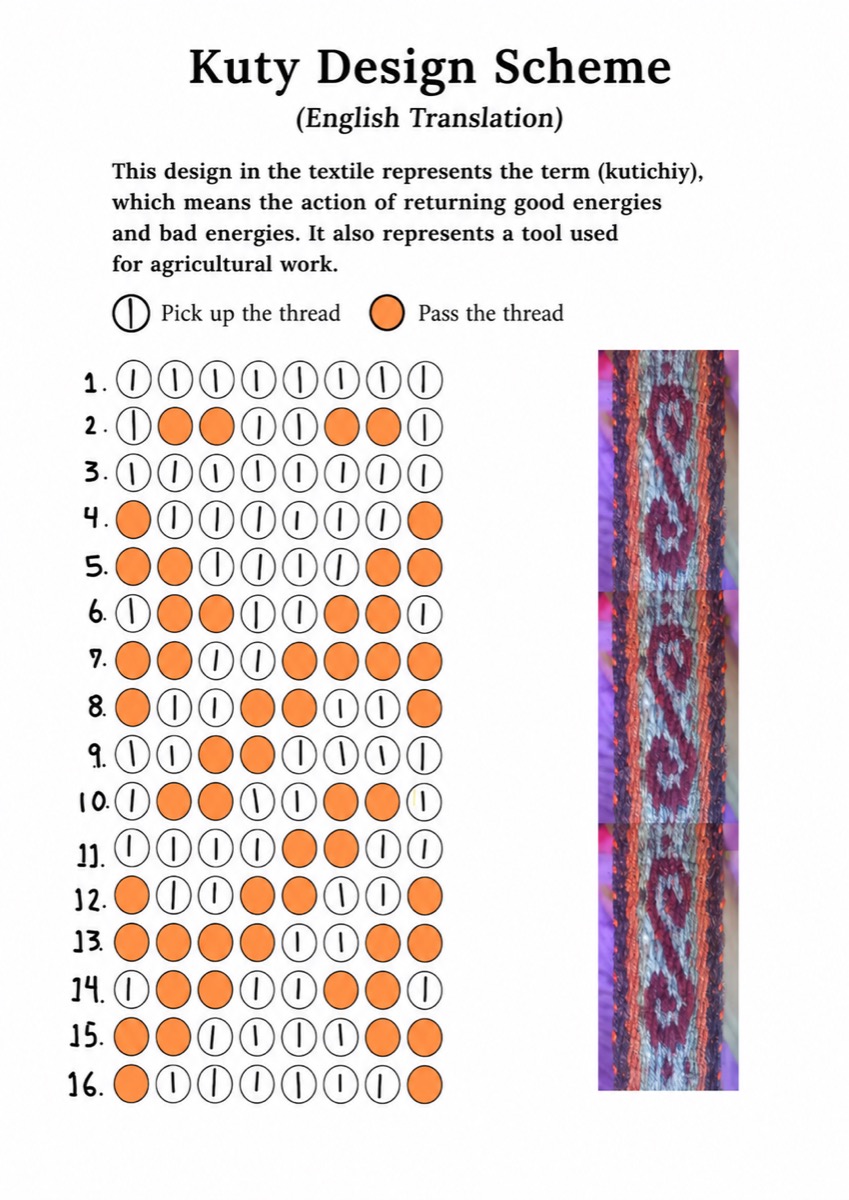
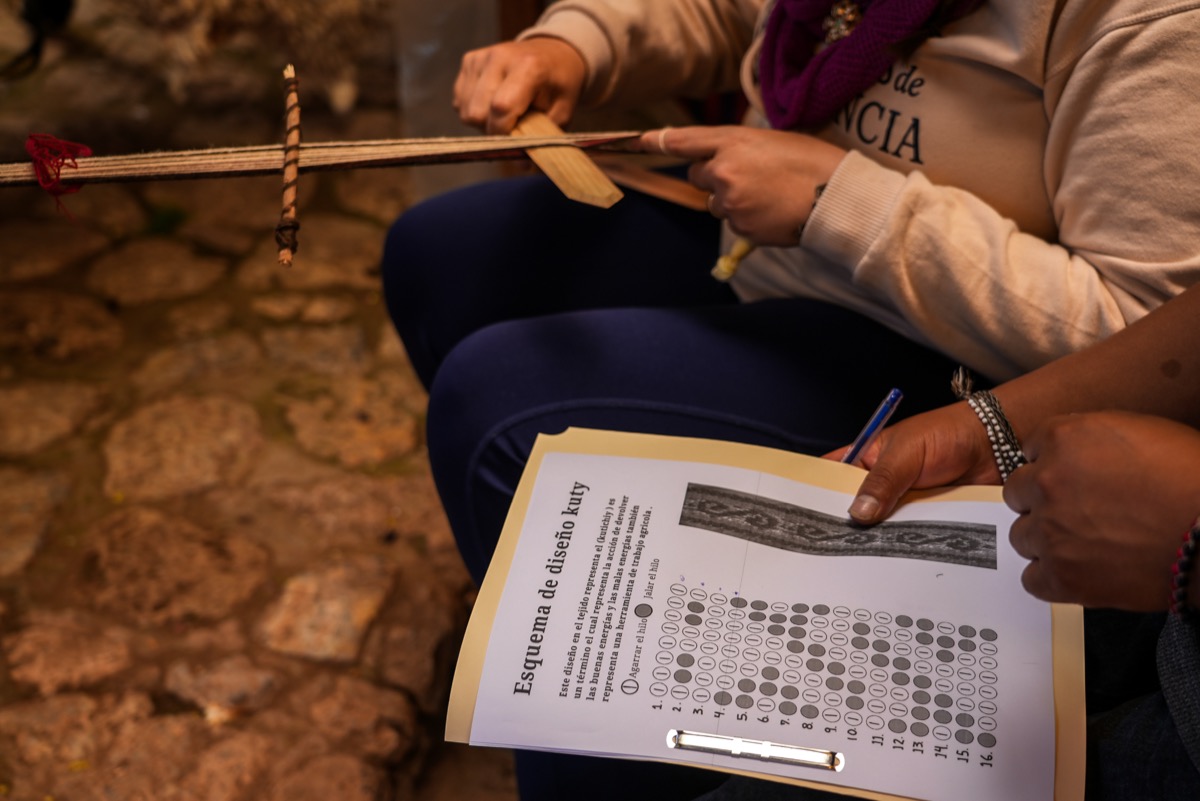
The Tanka Ch'uru and Kuty are intricate patterns that demand careful thread management and sustained concentration. For Robert, weaving them under his mother Augusta's instruction was a full-circle moment — learning, as an adult, what she had carried since childhood.
The Mayuquenqo is among the more advanced jakima patterns in the Chinchero tradition. That Robert completed it in his first year of study reflects both his artistic foundation and the quality of teaching he received from Augusta — his teacher, and his mother.
December 2025
"Ñaupaqman Puriy" — Walk Forward
A collective exhibition of traditional dyeing and weaving, held at the family gallery in Chinchero — featuring Robert's individual pictorial show alongside jakimas woven by his mother's students.
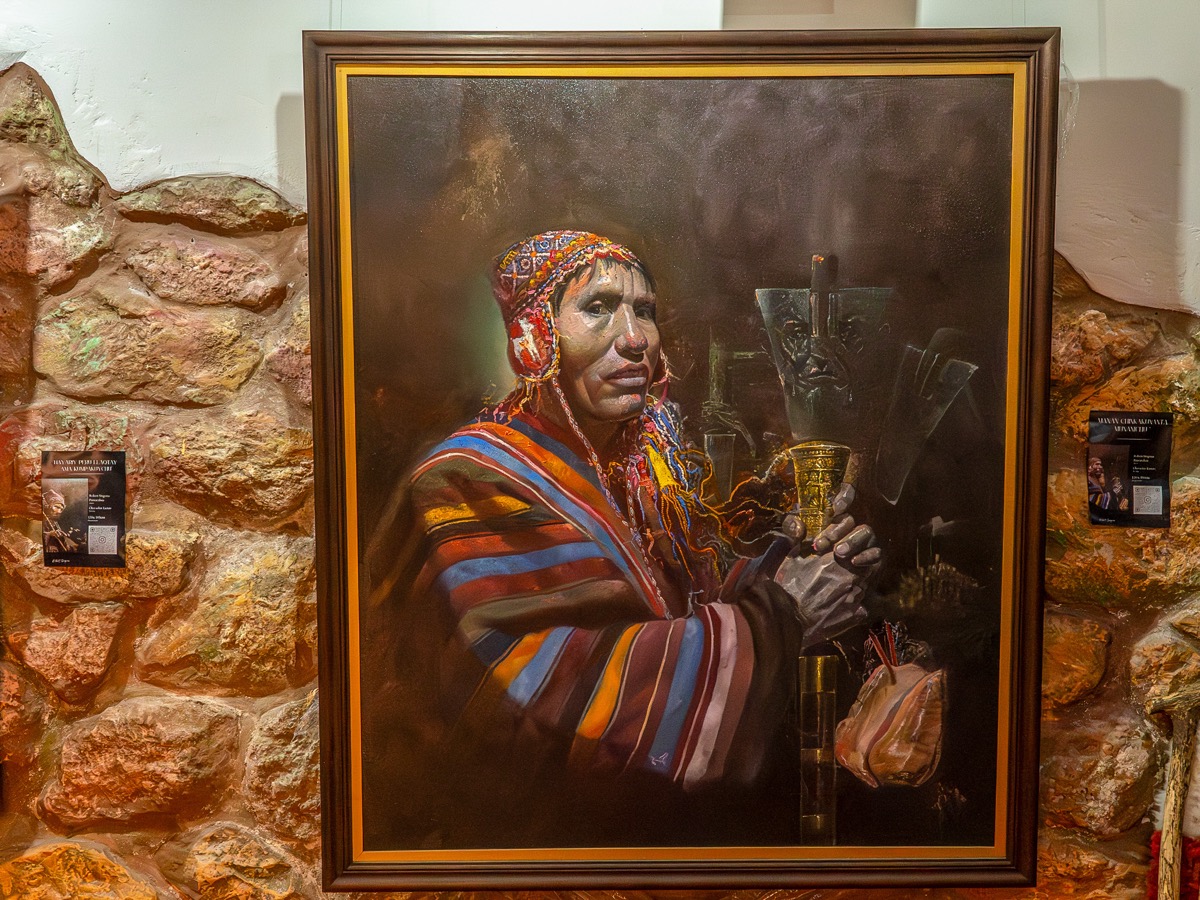
Paintings by Robert Singona
Robert presented a solo pictorial exhibition exploring Andean mysticism and the cultural identity of Chinchero. Displayed across two of the gallery's three rooms, his canvases brought the spiritual and visual world of the high Andes into dialogue with his community's living weaving tradition.
Jakimas by Augusta's Students
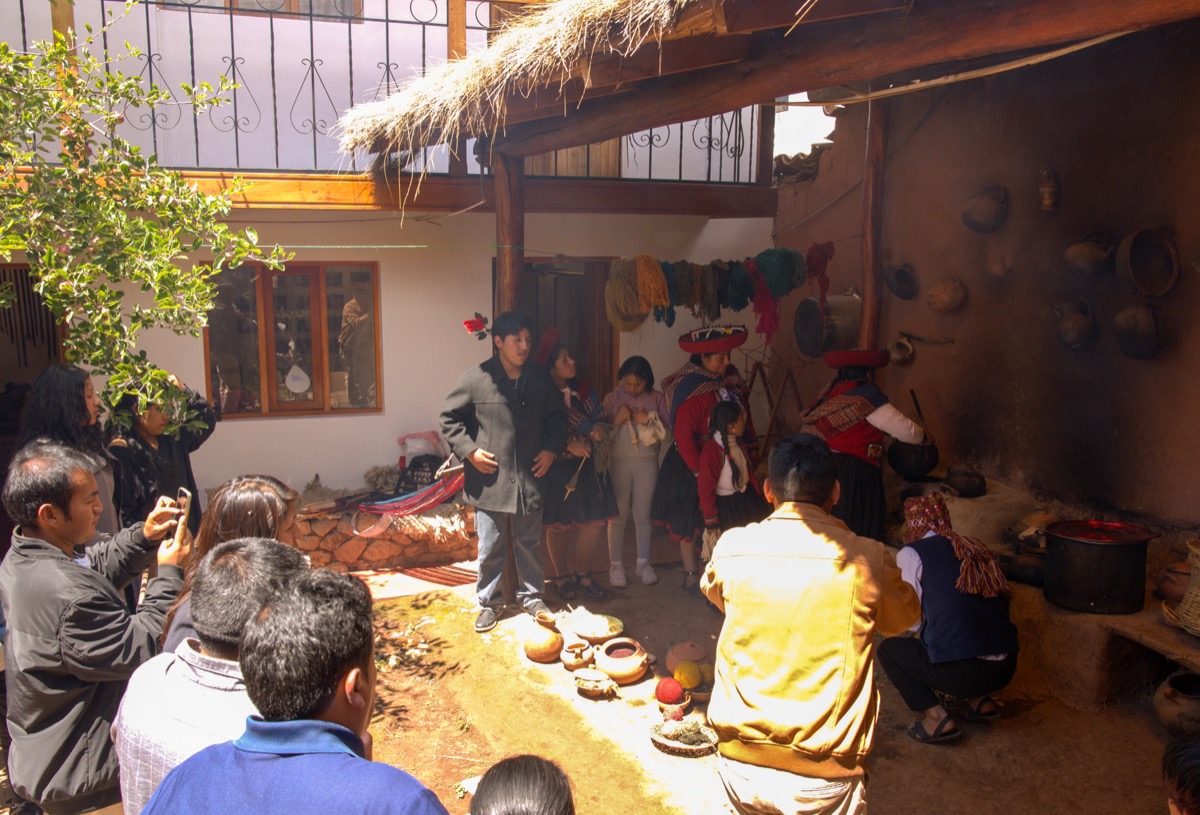
The third room displayed jakimas woven by the 2025 weaving class — including Robert's own pieces alongside work by Luz Marina, Artemio, Mauro, Katterin, and others. A live dyeing demonstration by Augusta opened the event, followed by music, traditional food, and community celebration.
Waterman Foundation
Gallery
The work in practice
Images from the Ñaupaqman Puriy exhibition and the Chinchero Weaving Project — coming soon as documentation is completed.
More artists, more traditions
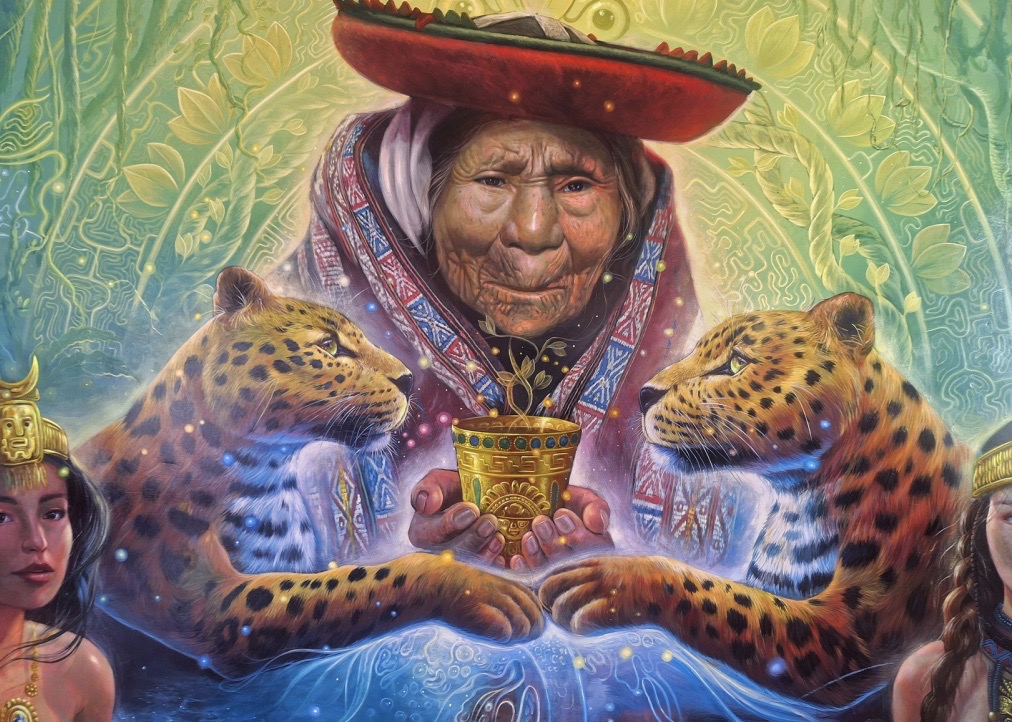
Robert is one of many artists working with Colores de Abundancia to preserve and carry forward Peru's living cultural heritage.